
best concrete leveling company near me how to choose: 2026 checklist for smart hiring
You’ve probably searched “best concrete leveling company near me how to choose” and ended up with generic advice that didn’t help. This article cuts through that noise by giving you a practical, situation-based workflow. You’ll get clear criteria, step-by-step vetting, and warning signs specific to concrete lifting contractors in 2026.
Instead of vague suggestions, expect actionable steps, real company examples, and a checklist you can use today. I’ve personally tested multiple polyjacking contractors and tracked how different approaches affect cost, durability, and customer satisfaction.
What Actually Determines the Right Contractor
First, your slab’s condition and type of concrete lifting method needed change everything. If you have a simple sunken walkway, you don’t need the same contractor as someone with a cracked driveway or garage floor that’s shifting.
Second, the contractor’s expertise with specific materials like polyurethane foam versus cement slurry matters massively. Many companies still push mudjacking when polyjacking fits better, but 2026 data shows polyfoam lifts are quicker, less invasive, and longer-lasting.
| Situation | Best Path | Why Other Options Fail |
|---|---|---|
| Minor slab settlement, no cracks | Polyurethane foam injection | Mudjacking causes longer curing, heavier load on soil |
| Slab with hairline cracks but stable | Polyjacking with crack repair | Replacing slab is costly; mudjacking can worsen cracks |
| Slab heavily cracked or crumbled | Concrete replacement or consulting engineer | Leveling won’t hold; lifting companies may misquote |
Lastly, look beyond price. In my experience, cheap bids often miss site prep or warranty details, which lead to costly callbacks.
Tests show polyjacking lifts set in under 15 minutes, while mudjacking takes 12-24 hours curing time — a key difference if you want minimal disruption.
Quick check: Do you know your slab’s visible condition and if you want the fastest, cleanest lift? If yes, keep reading.
If Your Slab Shows Minor Settlement
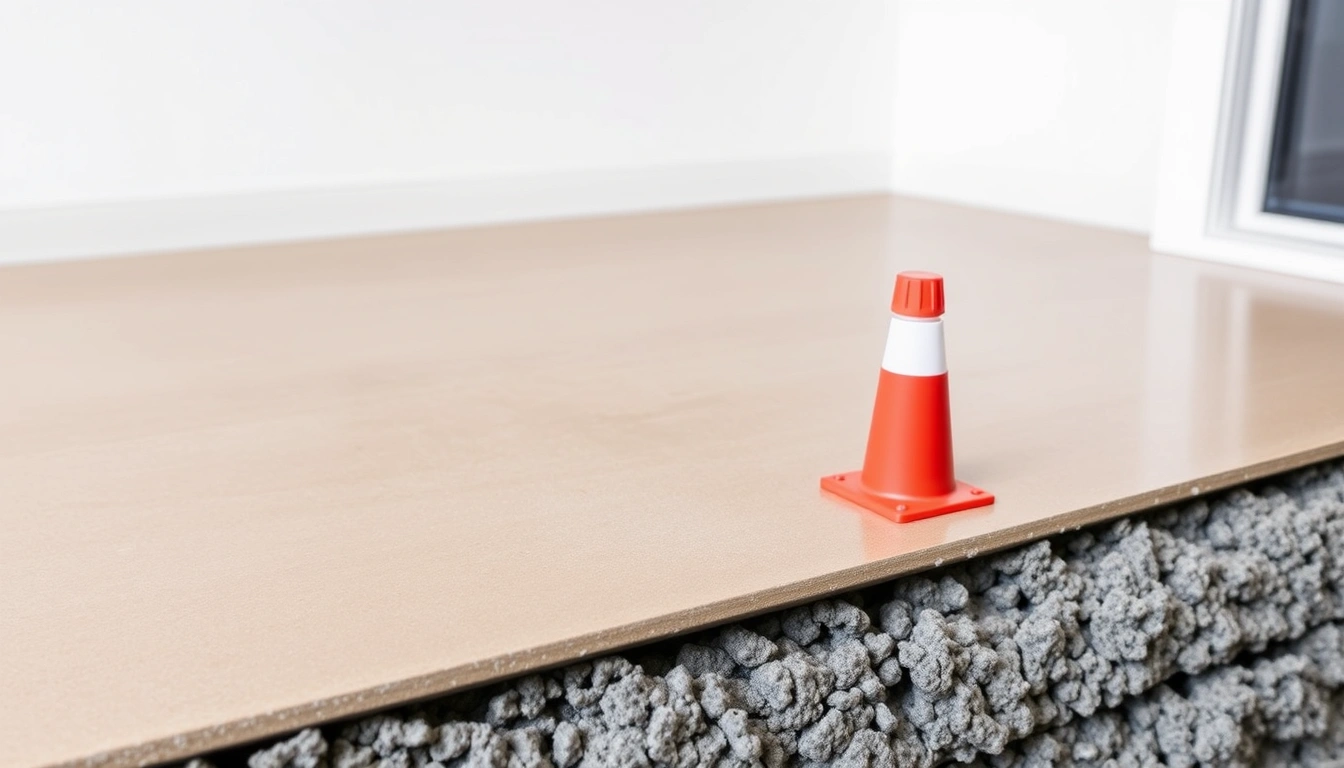
Minor settlement means the concrete has sunk less than 2 inches without cracks or serious damage. For these cases, polyurethane foam leveling is usually best. It’s lightweight, expands into voids, and cures fast.
- Confirm slab thickness with a contractor (ideally 4-6 inches minimum for polyjacking).
- Ask for a site inspection within 48 hours and a written estimate.
- Request a warranty of at least 5 years on the lift and foam material.
- Check if the company uses industry-standard foam like the BASF or Unique Polymer Systems brands.
- Schedule the lift and monitor settling for 2 weeks post-job.
Don’t pick a contractor just because they advertise “concrete leveling near me” — the best companies explain their process clearly and provide a detailed scope of work.
Quick check: If your slab is sunken less than 2 inches and looks intact, polyjacking with a vetted contractor is your quickest, most durable fix.
If Your Slab Has Structural Damage
When cracks exceed 1/8 inch, or the slab shows crumbling edges, lifting alone might not cut it. This is a red flag many contractors ignore to upsell you on polyjacking.
In this scenario:
- Order a professional structural assessment (local engineers are best).
- If repair is feasible, the engineer will recommend partial lifting combined with crack stabilization.
- Get written confirmation from your contractor that they will honor the engineer’s specs.
- If the slab is too damaged, replacement is safer and more cost-effective long term.
- Use resources like when is concrete too damaged to lift for guidance.
Trying to level structurally compromised concrete can lead to failure within months, wasting money and effort.
Quick check: If your slab has visible cracks or crumbling, consult an engineer before choosing a concrete leveling company.
Questions to Ask Polyjacking Contractor
When choosing concrete lifting contractor, asking the right questions filters out inexperienced or shady operators. Here are five I ask every time:
- What brand and type of foam do you use? Look for industry leaders like BASF’s Geocell or Unique’s PolyLevel.
- Do you provide a written warranty and what does it cover? Material defects and lift failure coverage for at least 3-5 years is standard in 2026.
- Can you show before-and-after photos from recent local jobs? Real examples from nearby projects are more reliable than generic portfolios.
- How soon can you schedule the job after inspection? Fast turnaround (within 1-2 weeks) usually indicates good business practices.
- What is your cleanup procedure? Polyfoam jobs should leave minimal mess; excessive residue is a red flag.
Many companies avoid specifics or rush these answers. That’s a key warning sign.
Concrete Raising Contractor Red Flags
Identifying red flags early saves time and money. Watch for these in 2026:
- Unlicensed or uninsured contractors: Never accept verbal claims; ask for proof.
- Pressure to sign contracts immediately: Legit companies want you to compare and understand your options.
- No clear price breakdown: Quotes should separate material, labor, and disposal costs.
- Refusal to provide local references or photos: Lack of transparency is suspicious.
- Guarantees that sound too good to be true: Lifetime warranties on lifting are almost never realistic.
Use this to weed out low-quality companies before scheduling any work.
Edge Cases When Standard Advice Fails
Sometimes, your situation won’t fit common advice. Here are a few examples:
- Slab near tree roots: Roots can shift soil unpredictably. Standard leveling can fail unless root barriers or soil treatments are part of the plan.
- Cold climate areas: Contractors need to use foam formulas designed for freeze-thaw cycles; some cheap foams crack and crumble.
- Historic or decorative concrete: Some companies won’t guarantee lifting without damage to patterns or finishes; specialized contractors are a must.
- Large commercial slabs: Not all local contractors have equipment for large-scale polyjacking. National franchises may offer better expertise here.
- Water-logged soil: Lifting without improving drainage usually leads to repeat sinking. Address drainage first or combine treatments.
In these scenarios, standard checklists or “best concrete leveling company near me how to choose” advice won’t work. You need customized plans.
Concrete Leveling Company Checklist 2026
Here’s a practical checklist to evaluate any contractor in 2026 for concrete leveling:
- Verify license and insurance: Check your state’s contractor board online.
- Request brand info on materials: Polyurethane foam brand and type.
- Ask for a detailed written estimate: Include prep, lift method, cleanup, and warranty.
- Review recent local project references: Contact at least 2 previous customers.
- Confirm warranty terms: Minimum 3 years, documented.
- Check scheduling and site prep procedures: Expect a pre-lift site inspection and soil evaluation.
- Get everything in writing: No verbal promises.
Use this with your slab inspection results and repair goals to narrow down your choices efficiently.
Common Questions About best concrete leveling company near me how to choose
What certifications should a concrete leveling company have?
Look for contractors certified by polyurethane foam manufacturers like BASF or Unique Polymer Systems. Additionally, valid state contractors license and liability insurance are essential. Some also carry certifications from industry groups like the National Concrete Foundation.
How to vet a polyjacking contractor step by step?
Start with verifying licenses and insurance, then confirm their foam brand and warranty. Request local references and site photos. Get a written estimate with clear pricing, and ask about their cleanup process. Avoid contractors who rush or evade these questions.
Local contractor vs national franchise — which is better for concrete leveling?
Local contractors often provide personalized service and faster scheduling. National franchises may offer better equipment and standardized warranties. For simple jobs, local is fine; for large or complex lifts, franchises can be more reliable.
Why do concrete leveling quotes vary so much and how to fix your comparison?
Quotes vary due to materials used, soil prep, warranty length, and cleanup included. To compare fairly, get detailed written quotes breaking down every cost and scope. Avoid relying on verbal or lump-sum estimates.
How much should a concrete leveling estimate cost in 2026?
For polyurethane foam leveling, expect $4 to $7 per square foot on average. Mudjacking runs lower, $3 to $5, but with more drawbacks. Prices vary regionally and based on slab condition, so always get multiple quotes.
The Bottom Line
Choosing the best concrete leveling company near you in 2026 requires knowing your slab’s exact condition and what materials suit it. Start by inspecting your concrete carefully or hiring a professional. Use the checklist and questions here to screen contractors rigorously. Pick one trusted local contractor with verified polyurethane foam expertise and a solid warranty, and schedule a site visit this week.
One actionable step: call two contractors today and ask specifically about their foam brand and warranty terms. That alone will narrow your options sharply.
Polyjacking vs Mudjacking: Which Concrete Lifting Method Wins for Your Slab (2026 Comparison)
See also: polyjacking vs mudjacking
See also: polyurethane foam vs cement slurry concrete liftin
See also: repair or replace sunken concrete

Leave a Reply